Serving The Wasatch Front Area



Back to Blog

How Much Does Furnace Repair Cost in Sandy, Utah?
October 22, 2026
You wake up, reach for a sweater, and realize your Sandy home feels colder than it should. The furnace is quiet. Your first question: how much does furnace repair cost? HomeAdvisor’s national cost guide puts a typical repair at $133 to $505, averaging about $318. Major repairs can exceed $1,000.
Think of those numbers as a starting budget. They are national benchmarks, not a contractor’s quote or a Sandy-specific average. Your diagnosis, replacement parts, labor, service timing, and warranty coverage determine the bill.
If you’re comparing furnace repair prices for your Sandy home, this guide explains common repairs, possible extra charges, and when furnace replacement deserves consideration. You’ll know what to ask before approving work, without needing to become a heating expert.
Key Takeaways
- Start with the diagnosis. The average furnace repair cost cannot tell you whether your system needs cleaning, a small part, or a major component.
- Compare complete quotes. Ask about diagnostic fees, labor charges, parts, and emergency service calls.
- Check warranty status. A manufacturer’s parts warranty may cover eligible components without covering installation labor.
- Consider furnace age and repair history. Repeated expensive repairs change the calculation.
- Keep expectations realistic. Regular maintenance can identify developing problems, but it cannot prevent every breakdown or guarantee specific savings.
Common Furnace Repair Costs by Component
A furnace that will not heat might need a small ignition part or a much bigger repair. These national ranges come from HomeAdvisor; use them for budgeting, rather than as guaranteed local replacement quotes.
| Component or work | National cost benchmark | What to clarify |
|---|---|---|
| Ignitor replacement | $150–$500 | Correct ignition part and installation |
| Flame sensor service | $150–$250 | Cleaning versus replacement |
| Gas valve work | $200–$600 | Whether the quote includes gas valve replacement |
| Control board work | $200–$600 | Diagnosis, compatible board, and setup |
| Blower motor work | $150–$2,000 | Repair versus complete replacement |
| Draft inducer motor work | $200–$1,500 | Motor versus assembly replacement |
| Thermostat replacement | $100–$600 | Equipment compatibility and setup |
Flame Sensor Cleaning and Ignition Repairs
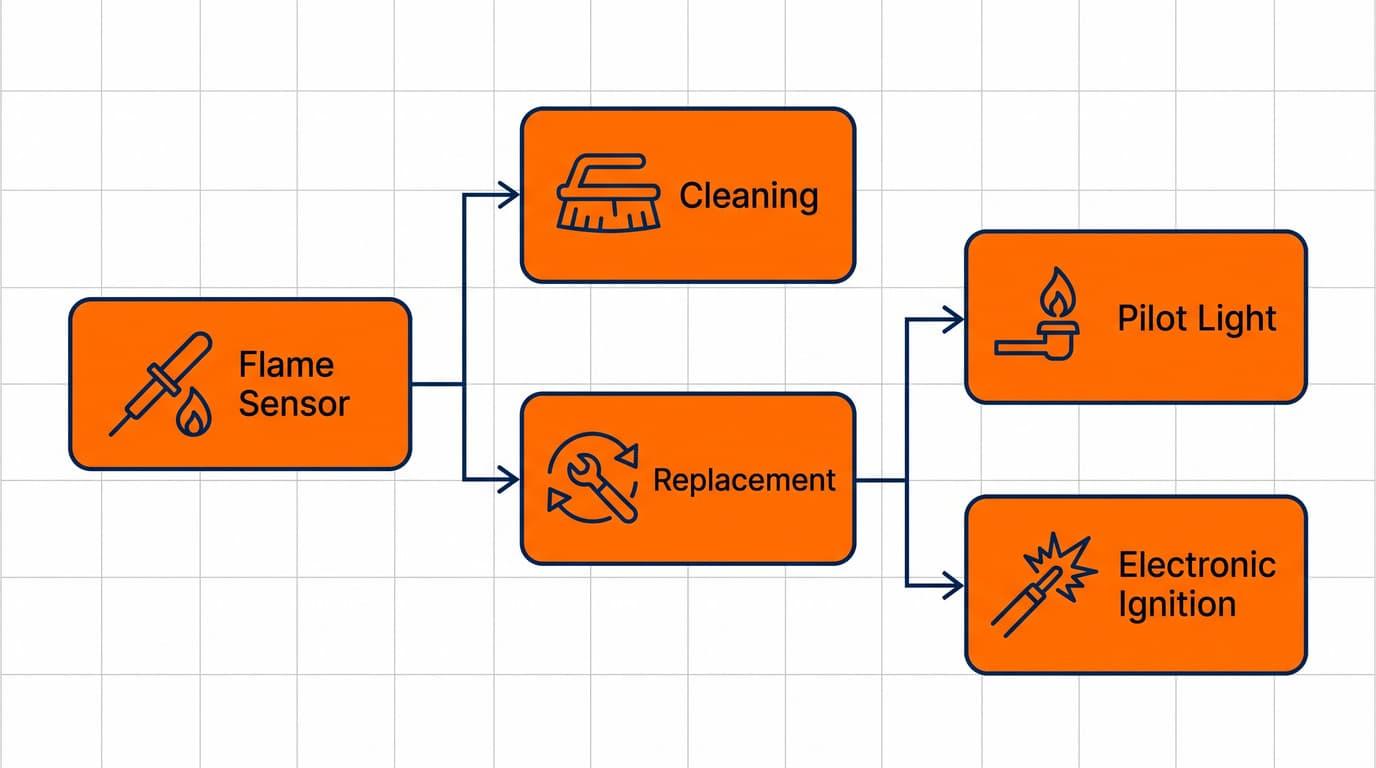
A flame sensor verifies that the burner has lit. If it cannot reliably detect flame, the furnace may start and shut down shortly afterward. Cleaning the flame sensor may resolve contamination, while a damaged sensor requires a different solution.
Before paying for a new sensor, ask whether cleaning could solve the problem. Also check whether the diagnostic visit includes that work; the table’s range is not a cleaning-only price.
An older gas furnace may use a pilot light, while modern furnaces commonly use electronic ignition. A failed ignitor can prevent heating entirely, but similar symptoms can also involve controls or safety switches. The right diagnosis keeps you from paying to replace inexpensive parts that still work.
Blower Motor Repair and Replacement
The blower motor moves heated air through your home. Weak airflow, unusual noise, or a fan that will not start can point to a blower problem, though a restricted filter or control fault can cause similar symptoms.
Blower motor repair may involve correcting a related electrical or mechanical issue rather than replacing the entire motor. Blower motor replacement costs depend on motor type, compatibility, access, and whether you need additional components. Ask a simple question: what failed, and can it be repaired?
Gas Valve and Control Board Work
Gas valve replacement requires professional diagnosis and testing of the gas supply and combustion system. A control board replacement can also involve sensitive components, wiring checks, and model-specific setup.
These jobs show why relatively inexpensive parts don’t always mean a small repair cost.
Heat Exchanger Replacement
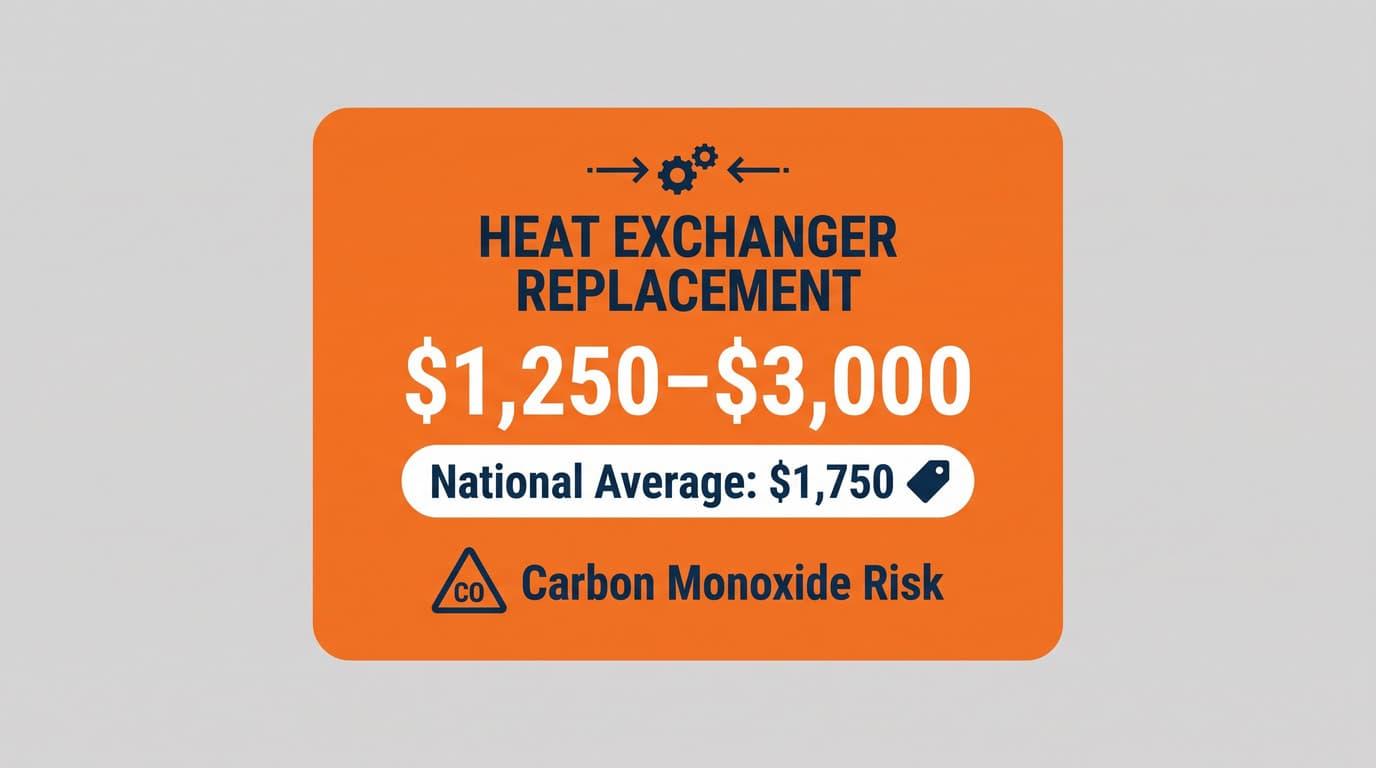
A heat exchanger separates combustion gases from the air circulated through your home. A cracked heat exchanger can create serious safety concerns, including potential carbon monoxide exposure, and requires a professional evaluation.
Angi’s heat exchanger replacement guide estimates $1,250–$3,000 nationally, averaging $1,750. Your quote may differ with equipment, access, coverage, and additional work. Make sure your estimate covers the full replacement, so a low advertised component price doesn’t leave you budgeting for only part of the job.
What Does a Furnace Repair Quote Include?
Furnace repair pricing usually includes the visit, diagnosis, replacement parts, and labor. Some HVAC companies charge hourly; others quote a flat price for completed work. Ask whether the service fee is separate or credited toward an approved repair.
| Quote item | What you are paying for |
|---|---|
| Diagnostic or service fee | Travel, inspection, and testing to identify the fault |
| Replacement parts | Components matched to your furnace model |
| Labor | Access, installation, adjustment, and operational testing |
| Additional work | Separately approved repairs uncovered during testing |
National guidance places technician labor costs around $50–$150 per hour. That is not a confirmed Sandy rate, and flat-rate repair pricing may not show an hourly breakdown. Ask for the complete price before you approve work. If labor is already included, adding an hourly estimate would count it twice.
What Affects Furnace Repair Prices in Sandy?
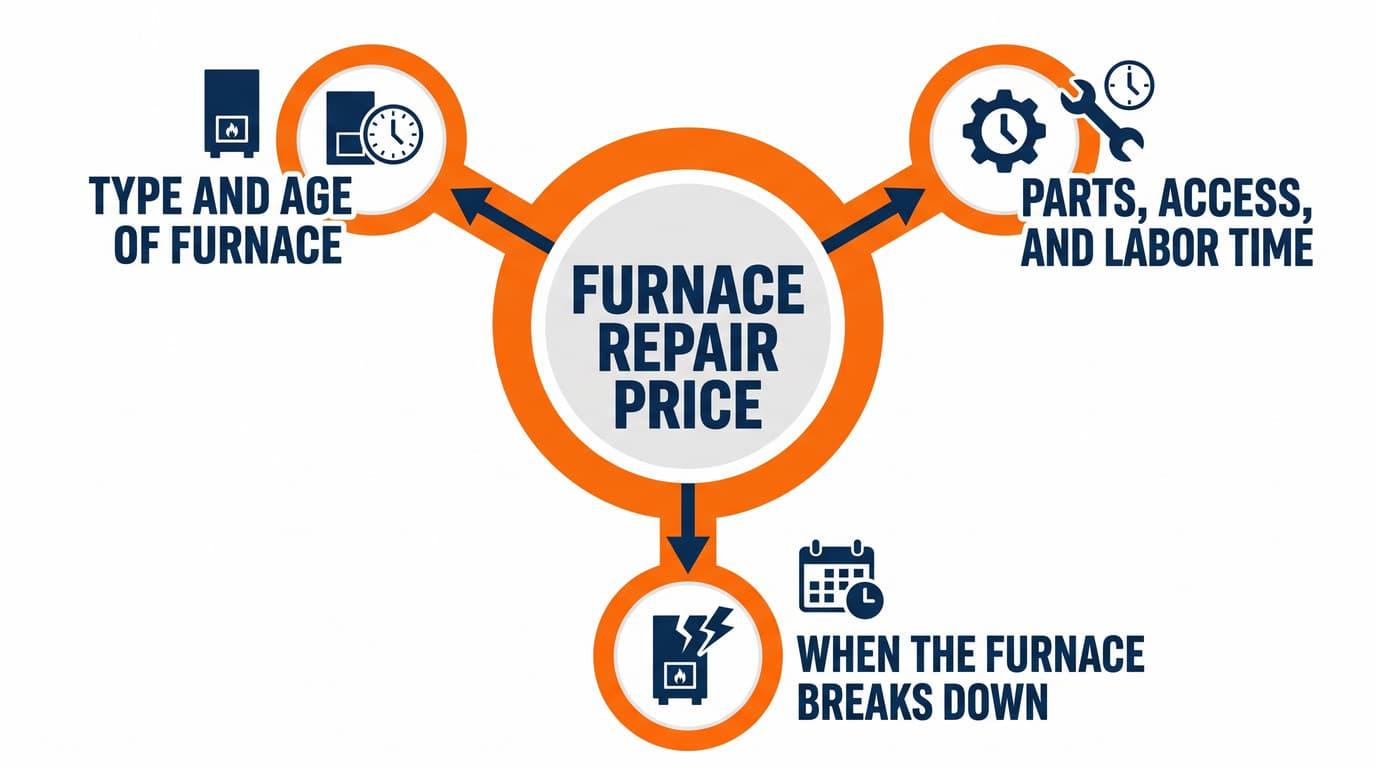
Your neighbor’s repair bill can be a useful conversation starter, but it is not your quote.
The Type and Age of Your Furnace
Gas furnace repairs may involve an ignitor, gas valve, flame sensor, draft inducer, or combustion-related safety switches. Electric furnace repairs involve different heating elements and controls.
Older heating systems may need discontinued or hard-to-find parts, which can increase cost or wait time. System age also matters when several worn components need attention together. Ask whether it is one worn part or a sign of more breakdowns to come.
Parts, Access, and Labor Time
Premium brands and specialized controls may require model-specific parts. A furnace tucked into a crawlspace or narrow closet can take longer to service than an accessible unit.
Parts availability affects both price and scheduling. Ask whether a replacement is stocked locally, requires shipping, or needs another appointment. Even inexpensive parts can raise the bill when extensive diagnosis or difficult access increases labor time.
When the Furnace Breaks Down
A winter no-heat emergency can be more urgent than an issue discovered during maintenance. NOAA’s 1991–2020 climate normals put January’s average overnight low at Salt Lake City International Airport at 24.2°F. Your Sandy neighborhood may be colder or warmer, but the takeaway is familiar: losing heat overnight is more than an inconvenience.
Emergency service calls may carry different charges from standard appointments. Confirm the dispatch fee, any after-hours surcharge, and whether diagnosis and repair are billed separately. Get the actual total, including any surcharges, before booking; emergency pricing varies by company.
Extra Charges That Can Appear on a Repair Estimate
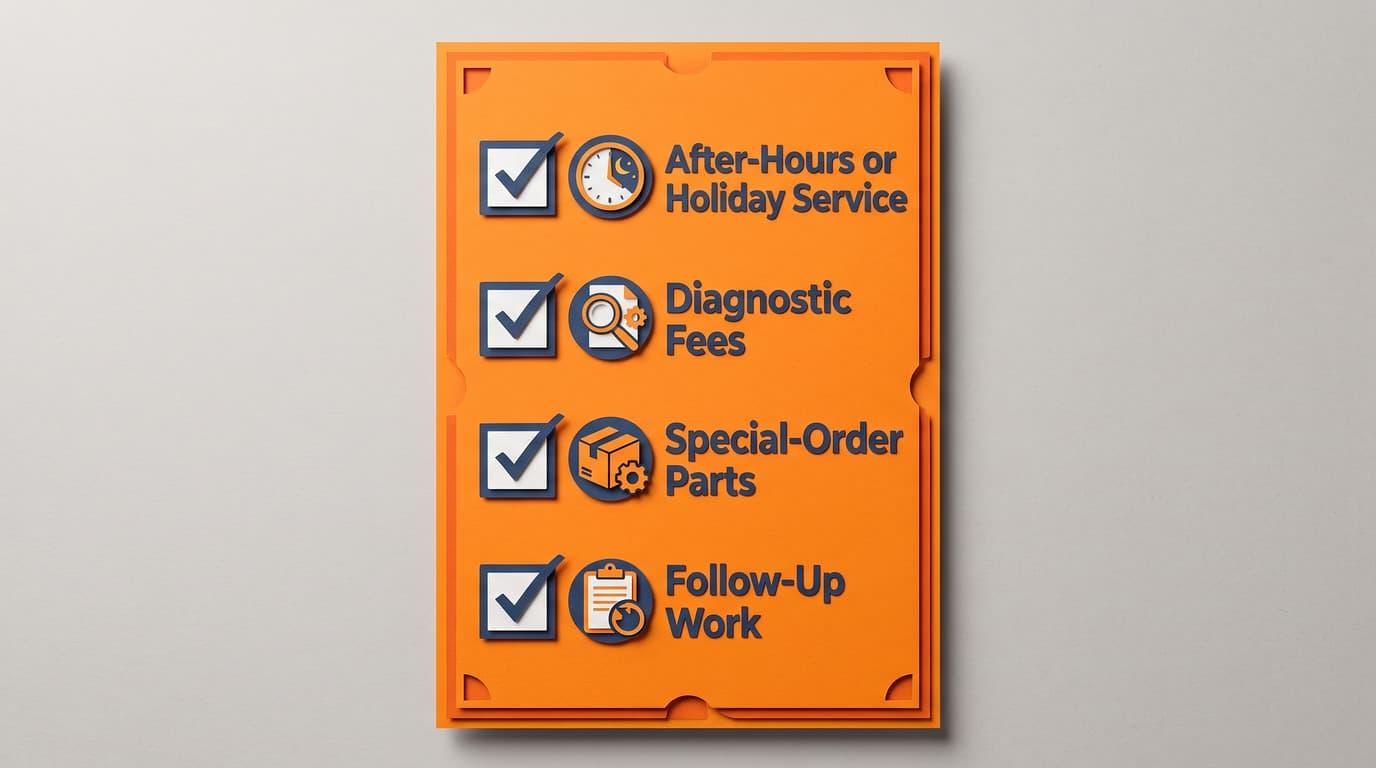
Nobody wants a repair bill with a surprise ending. Before comparing furnace repair prices, ask about these possible additions:
- After-hours or holiday service: Ask about additional dispatch or labor charges.
- Diagnostic fees: Confirm what testing is covered and whether the fee is credited.
- Special-order parts: Shipping or return visits may affect the total.
- Follow-up work: Another fault may require a revised estimate.
Compare what each price actually buys. If the technician discovers another problem, ask what changed and what it will cost before giving the go-ahead.
Most homeowners want fair pricing, but the lowest number is not automatically the best value. Reputable companies should explain the diagnosis, proposed work, exclusions, and applicable repair warranty. Avoid high pressure sales tactics that skip those details and jump straight to replacement.
Should You Repair or Replace Your Furnace?
Another breakdown. Another bill. If that sounds familiar, it may be time to compare repair with furnace replacement. A newer system needing one isolated fix deserves a different calculation from an older furnace that keeps letting you down.
Trane’s repair-or-replace guidance lists a typical furnace lifespan of 15–20 years or more. Age is a planning factor, not an automatic replacement deadline. Consider performance, repair history, parts availability, and warranty coverage together.
| Repair may make sense when… | Replacement deserves consideration when… |
|---|---|
| The problem is isolated, and reliability has been good | Breakdowns keep returning |
| A covered part reduces your out-of-pocket cost | Major components fail outside warranty |
| The furnace still heats comfortably | Heating remains unreliable after repairs |
| The proposed fix offers reasonable value | Expensive furnace repairs are accumulating |
For major repairs, compare the full estimate with a written quote for a furnace installation. When comparing furnace costs, include equipment, labor, venting changes, permits where required, and disposal. You need the price of a new furnace that works in your home, including installation.
If a repair approaches half the replacement total, request a replacement comparison; do not treat that percentage as a mandatory rule. Ask how much useful service the repair is likely to buy.
If a CO alarm sounds or you suspect a gas leak, leave immediately and contact emergency services from a safe location. Do not remain indoors to troubleshoot or wait for a quote.
Facing a repair-or-replace decision? Comfort Solutions can inspect your furnace and explain the options for your Sandy home. Our technicians service all major furnace brands and models, with 24/7 emergency dispatch available for urgent heating problems. We want you to understand what failed and what the proposed work involves before deciding whether repair makes sense.
How Long Does Furnace Repair Take?
A straightforward repair involving an accessible, available part may be completed in one visit. More involved work, such as blower motor replacement, control board replacement, or draft inducer motor replacement, can take longer when testing is extensive or parts must be ordered.
For most repairs, ask when you can expect heat again. Swapping a part is only one step; diagnosis, sourcing, installation, and testing all take time.
Have your furnace model, approximate age, symptoms, and service history ready when booking.
How to Budget for Repairs and Reduce Future Breakdowns
Sandy homeowners already juggle household bills. U.S. Census Bureau estimates for 2020–2024 show 75.2% of occupied homes were owner-occupied, with median monthly owner costs of $2,183 for homes with a mortgage. Those costs include more than the mortgage payment. An unexpected repair adds another expense, so check coverage and the complete cost to fix a furnace before approving work. Understanding the bill can help you save money.
Check Warranty Coverage First
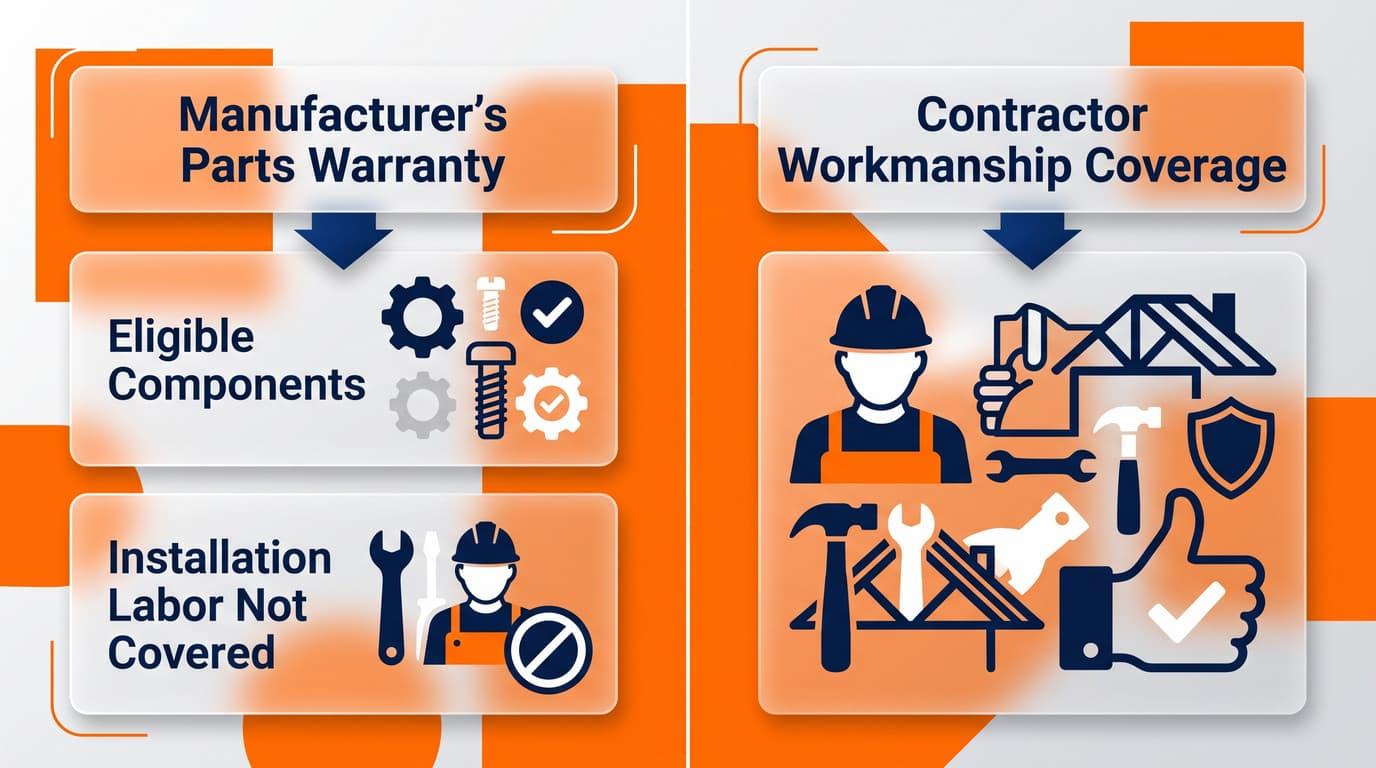
A manufacturer’s parts warranty may cover eligible replacement parts without covering labor. Eligibility can depend on registration, ownership transfer, maintenance records, and the failed component.
Request the remaining charges in writing, including labor, shipping, diagnosis, or other exclusions. Separate contractor workmanship coverage from the manufacturer’s equipment warranty.
Compare Like-for-Like Estimates
For substantial, non-emergency work, multiple quotes can help you understand repair pricing. Compare the same diagnosis and scope rather than choosing solely by the bottom line.
Check whether each quote includes testing, the same replacement component, installation, and repair coverage. If one company recommends replacement while another proposes minor fixes, ask each to explain the evidence. Finish that conversation understanding your options, not holding two prices and twice as many questions.
Keep Up With Regular Maintenance
Regular maintenance can identify airflow restrictions and developing problems before they become more disruptive. Follow the ENERGY STAR maintenance checklist, change compatible filters as directed, and keep supply and return vents clear.
Professional checks can include controls, electrical connections, ignition, and other operating conditions. Think of maintenance as a chance to catch trouble early. It helps keep your furnace running as intended, but it cannot promise a breakdown-free winter or a fixed percentage of savings.
Prefer to put furnace care on the calendar before something breaks? Our Comfort Care membership includes two HVAC tune-ups and one fireplace tune-up annually, plus priority scheduling and a 10% service discount. Ask the Comfort Solutions team which benefits apply to your repair and whether discounts combine.
Explore My Maintenance Options
Check for Available Savings
Before you approve the bill, check whether a Comfort Solutions special applies to your heating service. Available promotions and eligibility requirements can change, so ask which offer applies before approving work. We’ll explain the applicable terms so you know what savings are included in your quote.
What to Ask Before the Technician Arrives
A few questions now can save an awkward billing conversation later. Ask whether the appointment is a diagnostic visit, maintenance service, or a scheduled repair based on an earlier diagnosis. A tune-up checks and maintains the system; fixing a failed component may involve separate work and charges.
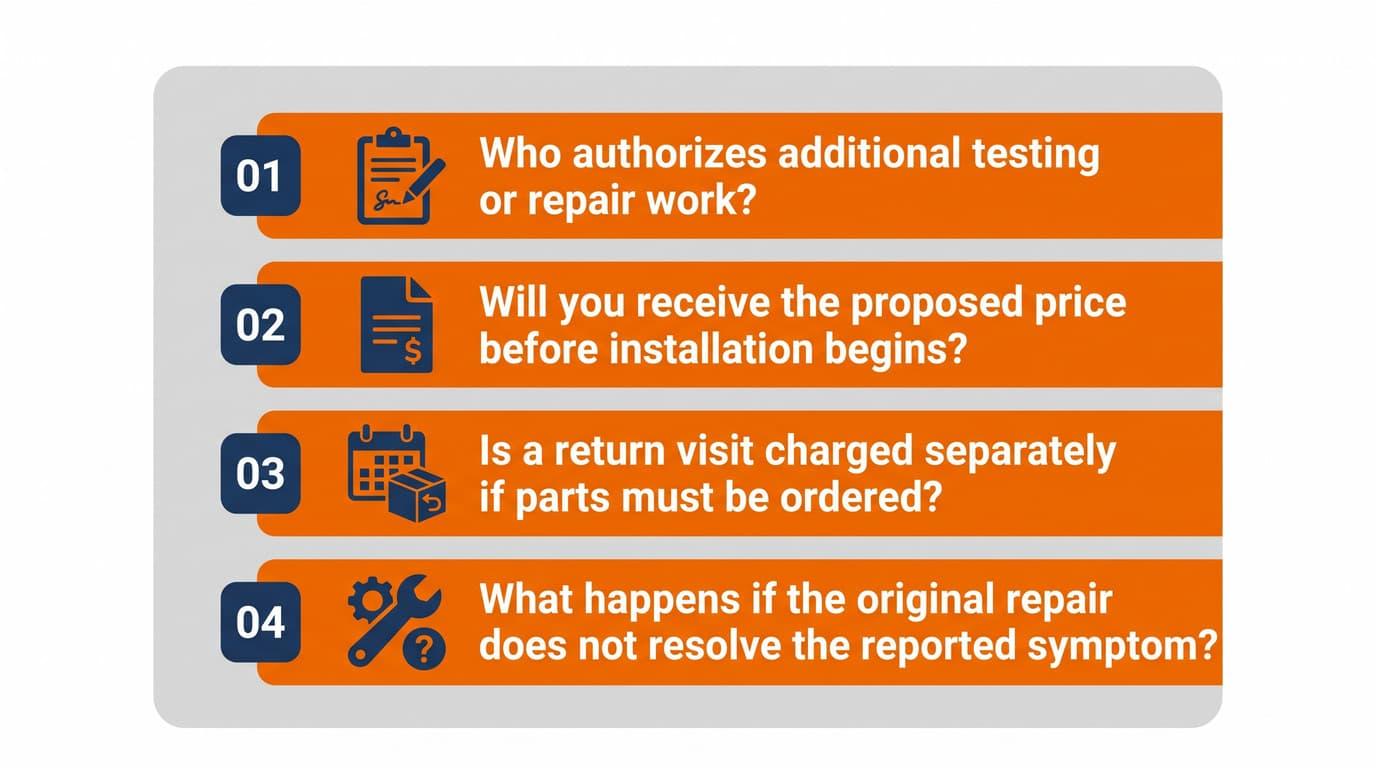
Confirm these details before booking:
- Who authorizes additional testing or repair work?
- Will you receive the proposed price before installation begins?
- Is a return visit charged separately if parts must be ordered?
- What happens if the original repair does not resolve the reported symptom?
Describe the symptoms accurately without deciding which part has failed. For example, “the burners start, then stop” gives the technician better information than requesting a sensor replacement based on an online search.
Keep copies of the estimate, invoice, part information, and any warranty documents afterward. If another issue appears, those records help establish what was diagnosed, what was changed, and what coverage may apply. Next time something goes wrong, you will have a repair history to compare instead of trying to remember what last winter’s bill covered.
Plan Your Next Furnace Repair With Confidence
You want a warm home and a bill you understand. Start with the diagnosis, ask what the complete repair includes, and check your coverage. Then you can choose the next step with fewer surprises.
Local experience counts when you need help close to home: Comfort Solutions has served Utah homeowners since July 2000, more than 26 years as of fall 2026. Our team now has more than 100 employees, and our Sandy showroom is at 8451 Sandy Parkway. With local service and 24/7 emergency availability, we can assess the issue, explain your options, and help you choose a practical next step.
Frequently Asked Questions About Furnace Repair Costs
Do Most HVAC Companies Charge for Diagnosis?
Policies vary. Ask what HVAC companies charge for the initial visit, what the service fee includes, and whether it is credited toward approved work. Most furnace repairs require testing before a dependable estimate can be provided.
Can a Furnace Repair Wait Until Morning?
It depends on indoor temperature, weather, and household needs. A no-heat situation during a Sandy freeze can become urgent. If a carbon monoxide alarm sounds or you smell gas, leave immediately and contact emergency services.
Will Furnace Repair Affect My Air Conditioner?
Some heating and cooling systems share a blower and controls. Repairing a shared component can affect the cooling system, but a furnace fault doesn’t automatically mean you need to replace your air conditioner.
What If My Home Has a Heat Pump?
A heat pump uses different equipment, including outdoor components, so diagnosing and repairing it can cost more than furnace-only work. Tell the provider about your system when booking HVAC services, especially if you have both a furnace and heat pump.
Can I Replace a Flame Sensor or Ignitor Myself?
Gas and electrical components create risks when handled incorrectly. Homeowners can generally handle basic filter changes, but combustion, ignition, and internal electrical work should be handled by a qualified HVAC technician. Do not bypass safety controls to restore heat.
Recent News
Who to Call for Furnace Repair in Sandy?
November 6, 2026
How Long Does It Take to Install a Furnace? A Sandy Homeowner’s Guide
November 3, 2026

Should I Replace 20 Year Old Furnace? A guide for Sandy Homeowners?
October 22, 2026

Furnace Tune-Up Cost in Sandy, UT: What Homeowners Need to Know
September 28, 2026

How Much Does It Cost to Replace a Furnace in Sandy, Utah: A Homeowner’s Guide
September 23, 2026
How Long Do Furnaces Last for Salt Lake City Residents? A Guide to Warning Signs and Replacement Timing
September 7, 2026