Serving The Wasatch Front Area


Duct Cleaning Services in Utah
Dusting again, only to see buildup around your air vents? Utah’s dry, dusty conditions can leave homeowners wondering what’s hiding inside their ductwork. At Comfort Solutions, we provide professional duct cleaning to remove accumulated dust and debris where cleaning is needed, helping you address the buildup at its source.
Flexible Solutions for Your Home & Budget
Unexpected repairs, replacements, and home comfort upgrades are rarely part of the plan. That’s why Comfort Solutions offers flexible financing options, maintenance plan solutions, and 24/7 emergency service to help make essential HVAC and plumbing work more manageable. Whether you need a quick repair, routine maintenance, or a major system upgrade, our team is here to provide reliable solutions that fit your home, your needs, and your budget.
- Free Estimate on Maintenance Plans
- 24/7 Emergency Services – Quick Response
- Expert Service – Professional Team
What Utah Homeowners Say About Comfort Solutions
Homeowners across Utah appreciate our team’s thorough work, clear communication, and respectful service, here’s what they have to say.
Posted on Google 

Victoria Nielsen
 Trustindex verifies that the original source of the review is Google.
Taylor came out today to assess my furnace and with his expertise I ordered a new furnance. Cesar came out and did the installation and did a great job him and his crew were great completely cleaned up their mess great company to work with
Posted on Google

Priscilla Hector
Trustindex verifies that the original source of the review is Google. Quality service by competent technicians
Posted on Google

John Freitas
Trustindex verifies that the original source of the review is Google. Dave was on time (actually he was early and called ahead of time to see if he could come early), professional, adhered to COVID protocols, was efficient and helpful. He walked me through what he was doing and what to look out for regarding performance. Best check I have had in a few years! Kudos to Dave!!
Posted on Google

Calvin Reeder
Trustindex verifies that the original source of the review is Google. Alex does a great job and I will continue to request him. He was joined by Finn today and they were very thorough.
Posted on Google

Pat Larkin
Trustindex verifies that the original source of the review is Google. Darren from Comfort Solutions is great, very knowledgeable. He performed our fall maintenance on our gas burning fireplace.
Posted on Google

Jeremy Bott
Trustindex verifies that the original source of the review is Google. Alex was very professional and helped us with our heater in a fast polite manner. Would recommend comfort solutions again
Posted on Google

brent merrill
Trustindex verifies that the original source of the review is Google. Drake was fast, very knowledgeable, and willing to be very aware of the cleanliness of our home. He deserves a raise!
Posted on Google

Kevin Knight
Trustindex verifies that the original source of the review is Google. These guys are fantastic. We have them come once a year to service our gas fireplace. They’re incredibly knowledgeable, friendly, and thorough. They’re also very responsive and have been able to accommodate our schedule. Highly recommend.
Posted on Google

Cindy
Trustindex verifies that the original source of the review is Google. Darren Dalley from Comfort Solutions was so helpful and courteous when he came to our home to service our furnace. He was extremely knowledgeable and professional. I have been extremely pleased with Comfort Solutions for the past 7 years and highly recommend their service.
Verified by Trustindex
Trustindex verified that these reviews were published on Comfort Solutions's Google Business Profile. Learn more
More Ways We Keep Utah Homes Comfortable
Dust in the ducts is only one piece of the comfort puzzle. Our heating, air conditioning, filtration, and fireplace services help address the equipment and airflow issues that can contribute to recurring dust or uneven comfort.
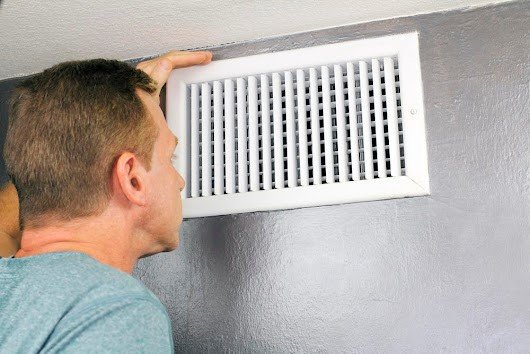
How Utah’s Dust and Seasons Affect Your Air Ducts
Along Utah’s Wasatch Front, windblown dust can collect around doors and windows. During the heating season, the furnace draws indoor air through return grilles, where dust often gathers. Gaps in ductwork or a poorly fitted filter can allow more debris to reach the HVAC system.
Winter inversions can trap outdoor pollution near the valley floor. If you’re concerned about the air inside your home during an inversion, filtration and indoor air quality services address a different problem than cleaning duct surfaces. Ask us about compatible filter options for your system.
A dusty grille alone tells you little about the condition of the duct system. Look for particles coming out of supply vents, signs of insects or rodents, or a persistent musty odor. The odor is a reason to check for moisture.

Duct Cleaning That Starts With Your Home’s Needs
We start with where you notice the buildup and when it appears. If dust collects at one return grille, the inspection can focus there. If several supply vents release debris, we look farther into the ductwork to find the source.
A duct cleaning service removes dust and debris from the areas included in your estimate. If a loose duct connection or water leak keeps introducing contaminants, we explain which repair would address the underlying cause.
Professional Air Duct Cleaning Services for Utah Homes
We tailor our air duct cleaning services to the layout of your home, the duct materials, and what we find during the inspection.
Duct Cleaning Inspection and Assessment
We check accessible supply and return ducts, air vents, and visible duct surfaces. We look for accumulated dirt, damaged lining, and signs of moisture or pest activity. Ask us to show you the findings that support the recommended work.
Supply and Return Air Duct Cleaning
Technicians use specialized tools to loosen deposits in accessible ducts. A high-powered vacuum collects the dislodged debris so it stays out of your living space. The tools we use depend on whether the ducts are sheet metal, flexible, or lined. When the vacuum exhausts indoors, HEPA filtration helps contain fine particles collected during cleaning.
Vent and Register Cleaning
We remove visible buildup from the grilles and registers included in the job. Accessible surfaces may be brushed or wiped as appropriate. We also check whether the material is limited to the opening or extends into the duct.
Targeted Dust and Debris Removal
Loose insulation, drywall dust, and larger debris sometimes collect in a particular branch or return. We identify where the material sits and which sections we can reach. Ask what collection and filtration equipment will be used for your job.
HVAC Airflow and Component Review
A dirty filter or buildup at the cooling coil can restrict airflow. We flag equipment concerns, including unusual fan motor noise or moisture around the air conditioning system, and explain whether your furnace or air conditioner needs separate maintenance or repair. In summer, we pay particular attention to the cooling coil and drain pan if you report a musty odor when the air conditioner starts.
Post-Renovation Duct Cleaning
Drywall sanding can leave fine particles inside open registers. Once construction is complete, we inspect the affected branches and recommend targeted cleaning if debris entered the ductwork. Tell us which rooms were remodeled and whether the vents were covered.
Moisture and Suspected Mold Concerns
Suspected mold growth calls for identifying and correcting the moisture source. Wet or moldy fiberglass lining may need replacement. EPA guidance says chemical biocides are unavailable for use inside fiberglass-lined ducts and advises against applying sealants over wet liner or active mold.
What to Expect During Your Duct Cleaning Appointment
Here’s how we determine what your system needs and review the work with you.
Step 1: Tell Us What You Notice
Tell us which rooms are affected, whether dust blows from supply vents, and when you first noticed the issue. Mention recent construction, unusual odors, or signs of pests.
Step 2: We Inspect the Duct System
We inspect accessible ductwork and registers and check the filter. If we find damage or suspect microbial contamination, we explain what needs further assessment before work begins.
Step 3: We Explain the Scope and Estimate
Your estimate identifies the areas included, the cleaning method, access needs, and the total cost. Ask whether the quote covers ducts and vents only or also includes components elsewhere in the HVAC system. If contamination reaches multiple components, ask which parts of the entire HVAC system need attention. Leaving an affected component untreated can allow debris to spread again.
Step 4: We Complete the Approved Cleaning
We protect nearby surfaces and clean the approved areas with tools suited to your duct materials. If the job requires access holes, ask how they will be sealed and reinsulated afterward.
Step 5: We Review the Completed Work
We walk through the results and identify any sections that were inaccessible. Ask to see the cleaned areas or photos where available so you can judge whether the crew did a thorough job.
Step 6: We Discuss Ongoing Duct Care
We review filter care and signs of recurring moisture or debris. Check the filter regularly and follow the manufacturer’s replacement schedule. For many common filters, that means changing them every one to three months, depending on use and conditions.
Why Trust Comfort Solutions With Your Ductwork?
Comfort Solutions has served Utah homeowners since 2000. Our team works with the furnaces, air conditioners, and duct layouts found across the Wasatch Front.
You’ll know what we found, which areas we can clean, and whether another service is needed before you approve the job.
Keep Up With Seasonal HVAC Care Through Comfort Care
The Comfort Care Membership includes two HVAC tune-ups and one basic fireplace tune-up annually, plus benefits such as priority scheduling and a service discount. Seasonal maintenance gives us a chance to catch filter and airflow problems early.
Your Duct Cleaning Questions, Answered
How Often Should Air Ducts Be Cleaned?
The EPA recommends having ducts professionally cleaned as needed. Consider cleaning when ducts are infested with pests, clogged with substantial debris, releasing particles into rooms, or showing substantial visible mold growth on hard surfaces.
Can Professional Duct Cleaning Improve Indoor Air Quality?
Cleaning removes accumulated material from the areas treated. Dust that sticks to duct surfaces may never reach the living space, and evidence that routine cleaning improves indoor air quality or can prevent health problems is limited. Be wary of allergy relief guarantees. If family members have unexplained respiratory problems, discuss the symptoms with a healthcare professional.
What Does a Duct Cleaning Service Cost?
Cost depends on duct layout, access, and the work included. Compare written estimates from at least three duct cleaning companies. Check references and any required state licenses, and ask how each crew will clean the ducts, contain debris, and protect your home. Compare the scope as well as the price. A quote for cleaning a few registers covers different work from cleaning supply branches, return ducts, and equipment.
Should I Worry About Mold Inside My Air Ducts?
Ask the provider to show you the affected area. Mold-like buildup may require expert confirmation. If moisture is coming from condensation or a leak, address that source before cleaning so the problem is less likely to return.
Will Duct Cleaning Improve HVAC Efficiency?
Evidence for energy savings from cleaning air ducts alone is limited. Research suggests cleaning dirty cooling coils, fans, or heat exchangers may help equipment operate more efficiently. If airflow is weak or bills rise, have the system checked for a dirty filter, duct leaks, or equipment faults.
Ready to Tackle Dust Buildup in Your Ductwork?
If debris keeps coming through your air vents, schedule an inspection with Comfort Solutions. We’ll explain what’s causing the buildup and give you an estimate for the work your Utah home needs.