Serving The Wasatch Front Area


Back to Blog

Should I Replace 20 Year Old Furnace? A guide for Sandy Homeowners?
October 22, 2026
The thermostat says 70, but your Sandy bedroom still feels like sweater weather. Downstairs, the furnace is running again. If you’re searching “should I replace 20-year-old furnace equipment?”, here’s where we’d start: at 20 years, you should consider replacement, but your system’s condition matters more than its birthday.
If your furnace heats reliably and passes a professional safety assessment, you may have time to plan. If repair bills keep arriving while the bedrooms stay cold, it’s worth comparing your options now. We’ll walk through the warning signs, the repair-versus-replacement decision, and what an upgrade could realistically change for your home.
Key Takeaways
- Twenty years is a good time to assess a gas furnace, not an automatic expiration date.
- Recurring repairs, cold spots, and rising heating bills are reasons to investigate replacement.
- Safety concerns, especially a suspected cracked heat exchanger or carbon monoxide alarm, require prompt action.
- An isolated, affordable repair may still make sense if the furnace is safe and dependable.
- The best replacement choice depends on proper sizing, total installed cost, and your home’s heating needs.
How Long Does a Gas Furnace Last in Sandy?
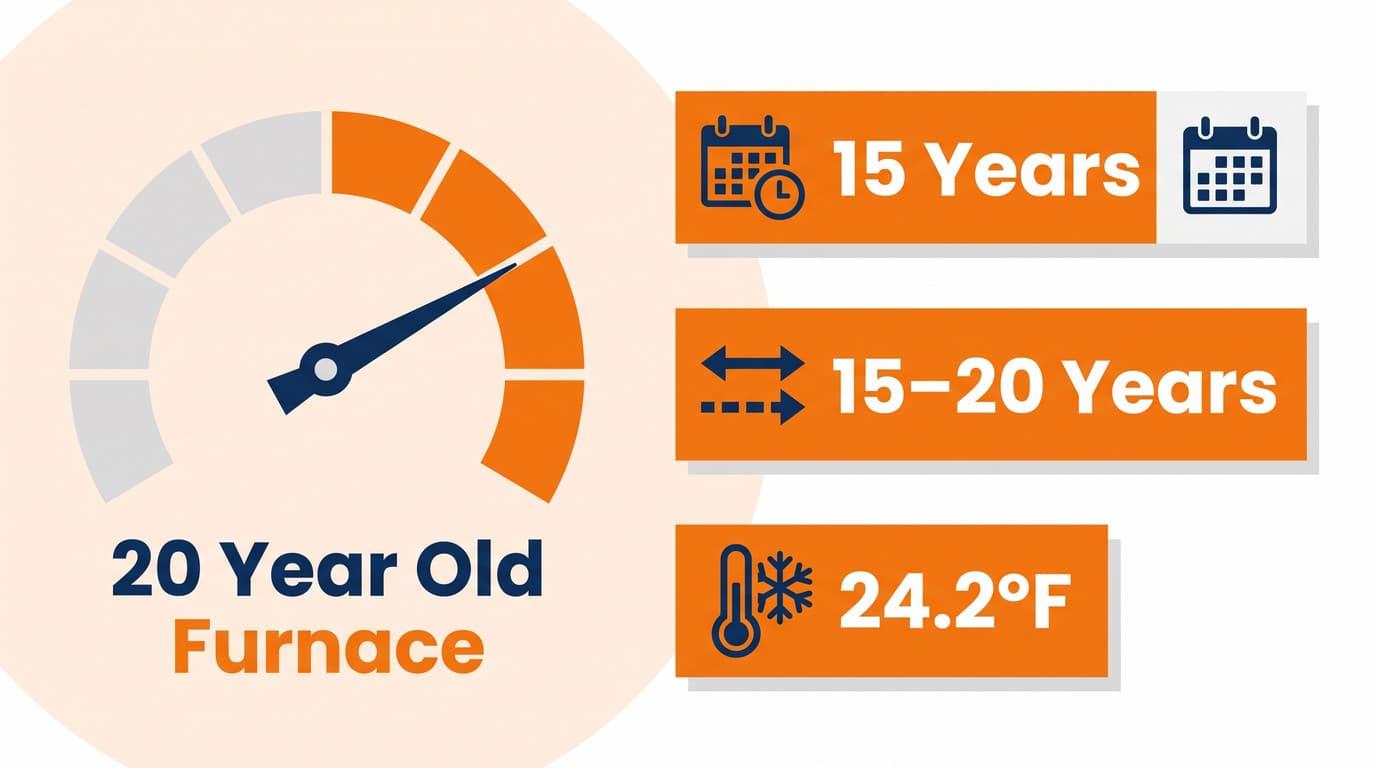
ENERGY STAR’s replacement guidance recommends replacing a furnace when it’s more than 15 years old. Trane estimates furnace life expectancy at 15–20 years on average. Most furnaces do not fail on a fixed birthday. Old age simply makes the next inspection more valuable. Installation quality, sizing, and regular maintenance all affect life expectancy. To decide when to replace your furnace, consider how it heats, how much you’ve spent on repairs, and whether parts remain available—even if it works fine today.
In Sandy, an aging furnace can face long stretches of winter heating demand. NOAA’s 1991–2020 climate normals put January’s average overnight low at Salt Lake City International Airport at 24.2°F. For Sandy households, dependable overnight heat matters when everyone is asleep. If your system keeps cycling, leaves rooms chilly, or hasn’t been serviced in years, arrange an assessment before another winter tests it.
Signs You Need a New Furnace, and When Repair May Be Enough
One rattle doesn’t automatically mean you need a replacement. A rattle followed by another service call, another cold room, and another higher bill deserves a closer look. Start with the pattern you’re noticing:
| What you notice | What it may mean |
|---|---|
| A single ignition or control problem | A repair may restore reliable heat if the rest of the system is sound. |
| More frequent service calls | Several failing parts can make another repair less cost-effective. |
| Cold spots or weak airflow | The furnace, blower motor, ducts, or filter may need evaluation. |
| Higher bills without a clear reason | Equipment performance, weather, insulation, and fuel use all deserve a closer look. |
Rust around venting, unusual combustion odors, or changes in burner operation need a qualified service technician’s attention. The Consumer Product Safety Commission identifies a persistent yellow-tipped flame as a possible sign of maladjustment and increased pollutant emissions. A yellow pilot light or burner flame needs investigation, but color alone cannot confirm carbon monoxide.
A cracked heat exchanger can allow combustion gases into circulated air. If the heat exchanger fails, have an HVAC professional explain whether replacing that component or replacing the furnace makes sense. Worn parts, venting defects, and poor filtration deserve attention. The useful question is what is happening inside your furnace today.
If a carbon monoxide alarm sounds or you suspect a gas leak, leave immediately and contact emergency services from a safe location. Don’t restart equipment that has been declared unsafe.
Furnace Repair vs Replacement: Which Makes More Sense?
Fix it again or put that money toward something new? With a 20-year-old furnace, we’d weigh how much dependable heat the repair will buy, and frequent repairs are a clear sign to consider furnace replacement. One isolated failure deserves a different conversation from the third breakdown this winter.
| Repair may make sense when… | Replacement may be the better investment when… |
|---|---|
| The issue is isolated, and the system heats well. | Breakdowns are frequent, or comfort keeps declining. |
| Parts are available, and warranty coverage helps. | Major parts fail outside warranty or are hard to source. |
| The repair is modest relative to the installed replacement price. | Repair costs are accumulating on an aging system. |
| You can safely plan an upgrade later. | A safety-related defect makes continued use inappropriate. |
If a repair exceeds about 50% of the cost of a new furnace, replacement is generally recommended, so request a side-by-side comparison. Repair costs on older furnaces can sometimes climb as high as $3,000, which is why that comparison matters. Ask how long the repair may keep the original furnace dependable and whether warranty coverage helps. Minor repairs can be cost-effective when they solve the problem; repeated spending needs a closer comparison.
Before you spend more on another repair, let’s find out what failed. Our Comfort Solutions technicians service all major furnace brands and models and can assess whether a targeted fix is practical. We’ll explain the findings and recommended work so you can decide what makes sense for your budget.
What Would a New Furnace Improve?
Ideally, you notice the upgrade when the bedroom finally feels comfortable, and the furnace runs more quietly. A properly selected new furnace may improve temperature consistency, controls, and energy efficiency. Here’s what to compare before choosing one.
Energy Efficiency and Heating Bills
NIST’s furnace efficiency resource explains annual fuel utilization efficiency (AFUE), the measure used to compare fuel-to-heat performance. Start with your existing furnace’s rating. Its age doesn’t tell us how efficiently it uses fuel.
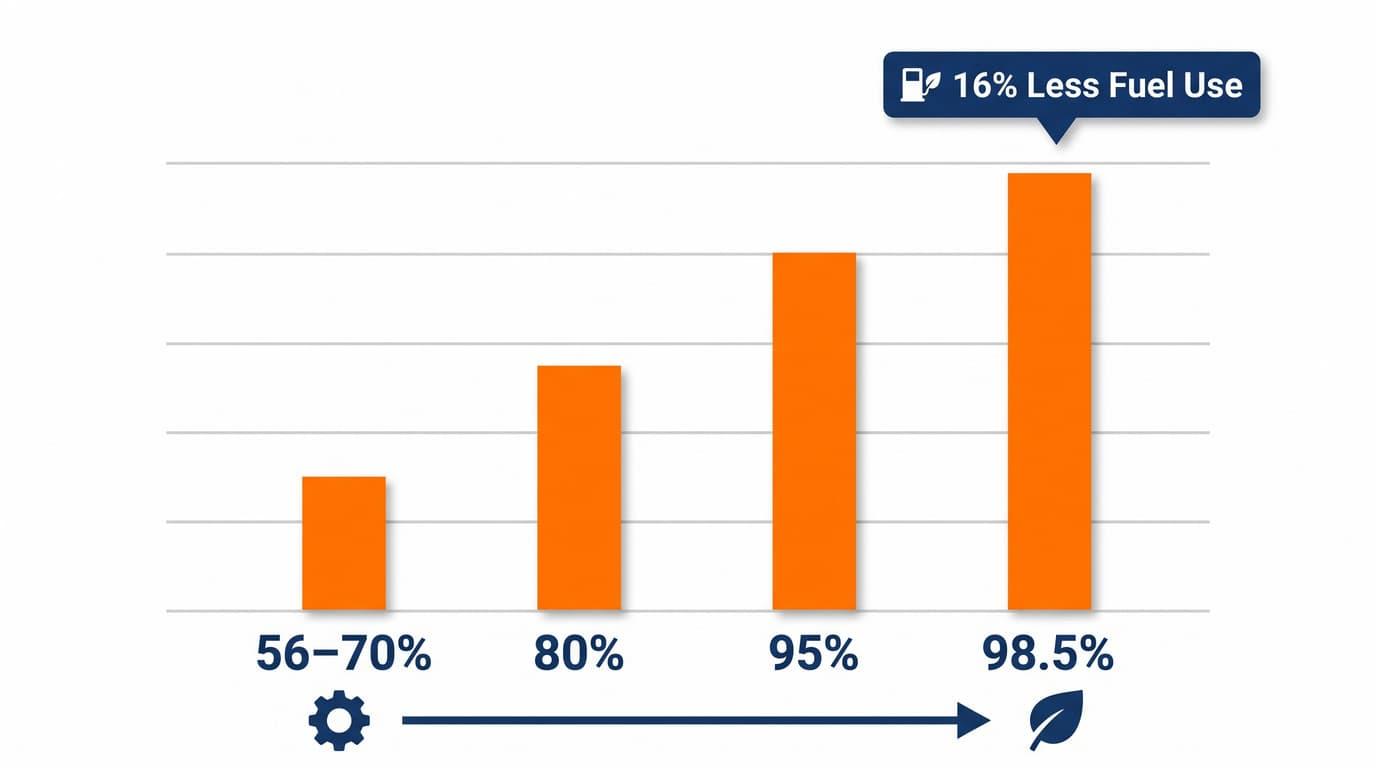
AFUE measures how much fuel becomes usable heat over a year. An 80% AFUE furnace converts about 80% of its fuel energy into heat; a 95% model converts about 95%. For the same useful heat output, moving from 80% to 95% AFUE implies about 16% less fuel use, calculated as 1 − (80 ÷ 95). Your energy bills will also reflect Sandy’s weather, insulation, ductwork, and natural gas prices. We’d check those details before estimating savings for your home.
Vermont’s state energy guidance describes older furnace and boiler designs at roughly 56–70% efficiency. Your 20-year-old furnace may have a different rating. Some modern furnace models reach 98.5% AFUE, as Carrier’s published furnace specifications show; check the rating of the exact model you’re considering.
With a 90–95% high-efficiency furnace, about 5–10% of fuel input goes to losses outside the useful heat measured by its AFUE rating. Duct losses still matter. Compare the initial cost of a high-efficiency model with its estimated operating savings, rather than choosing by the biggest number alone.
More Even Heat and Better Control
Tired of adjusting the thermostat because one room is warm and another isn’t? Variable-speed airflow and compatible smart thermostats can offer steadier temperatures and better control, depending on the model. Still, cold spots in an upstairs bedroom may come from duct leakage or insulation gaps rather than the furnace itself. A compatible Wi-Fi thermostat may let you adjust the furnace remotely, but check the required controls and internet connection. Even a brand-new furnace needs proper ducts and insulation to deliver better efficiency throughout the house.
Heat Pumps and Hybrid Heating Options
A heat pump can provide both heating and air conditioning, so it’s worth considering when you’re updating more than just the furnace. A hybrid system pairs an electric heat pump with a gas furnace for colder conditions. For your Sandy home, compare heating needs, existing HVAC equipment, and electricity and gas rates. Ask how the proposed setup performs on cold nights and when backup heat takes over. A smaller carbon footprint depends on the new system’s performance and electricity supply, rather than the equipment label alone.
What Affects the Cost of Replacing a 20-Year-Old Furnace?
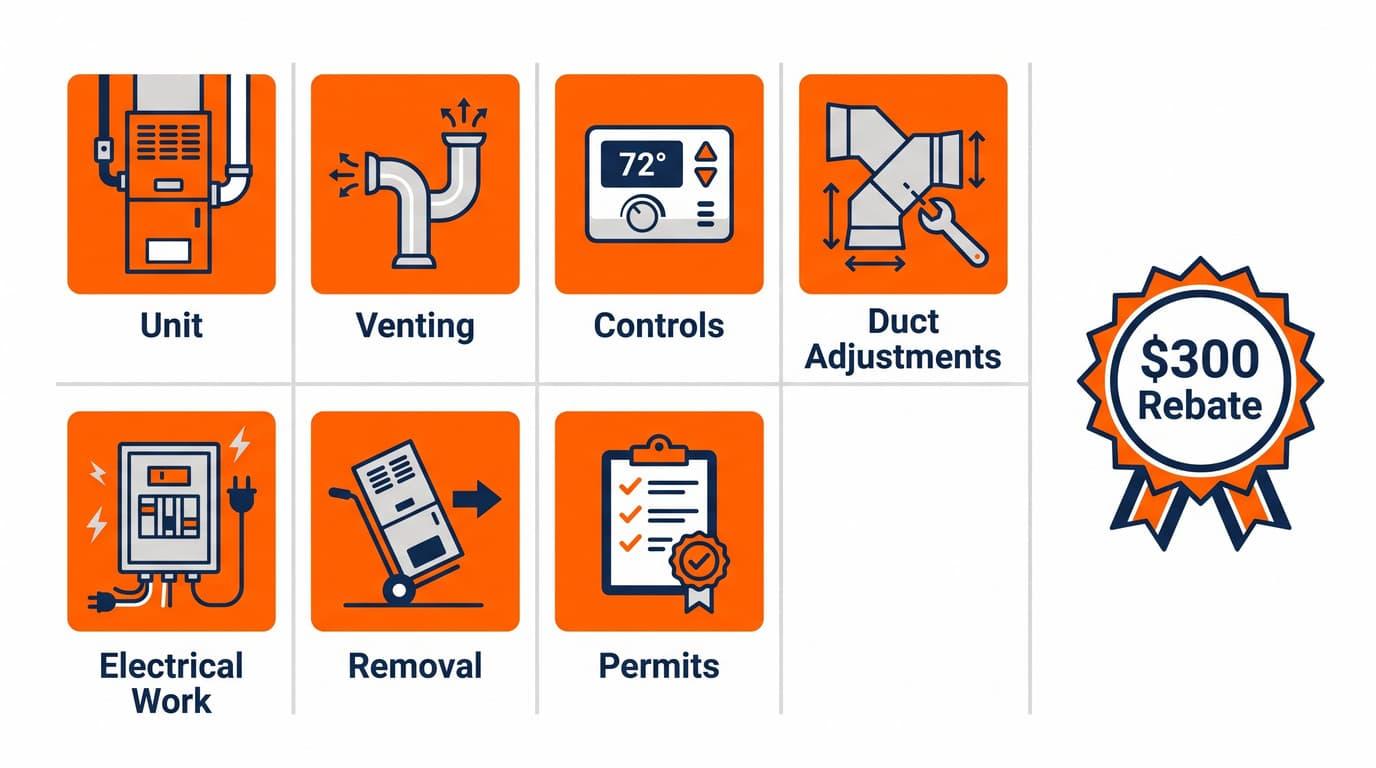
A low equipment price can look tempting until you see the installation details. Compare the complete job: the unit, venting, controls, duct adjustments, electrical work, removal, and permits where required.
Before comparing bids, ask for a heating-load calculation. Correct sizing matters more than choosing equipment by square footage alone.
Then check whether each estimate includes the same installation work and final testing. A written scope from your HVAC company makes it easier to compare equipment and labor.
Check Utah Rebates and Payment Options
Eligible Sandy households may qualify for utility incentives. Enbridge Gas ThermWise rebates list $300 for qualifying gas furnaces rated 95–97.4% AFUE in Utah/Idaho. Confirm the model, account eligibility, installation date, and application deadline before counting a rebate toward your budget. Energy-efficient equipment must meet the program’s requirements.
An unexpected replacement can strain the household budget. Comfort Solutions offers financing options to help you plan the expense. Ask us to explain eligibility, interest, fees, and total repayment so you can choose a payment plan you understand.
Plan an Upgrade Around Your Home and Budget
Tell us which rooms stay cold and what you want to improve. Our Comfort Solutions team can help you compare sizing, efficiency, and installation requirements around those concerns. We’ve served Utah homeowners since 2000, and we’ll help you weigh a suitable furnace against your budget.
How to Keep an Older Furnace Reliable While You Decide
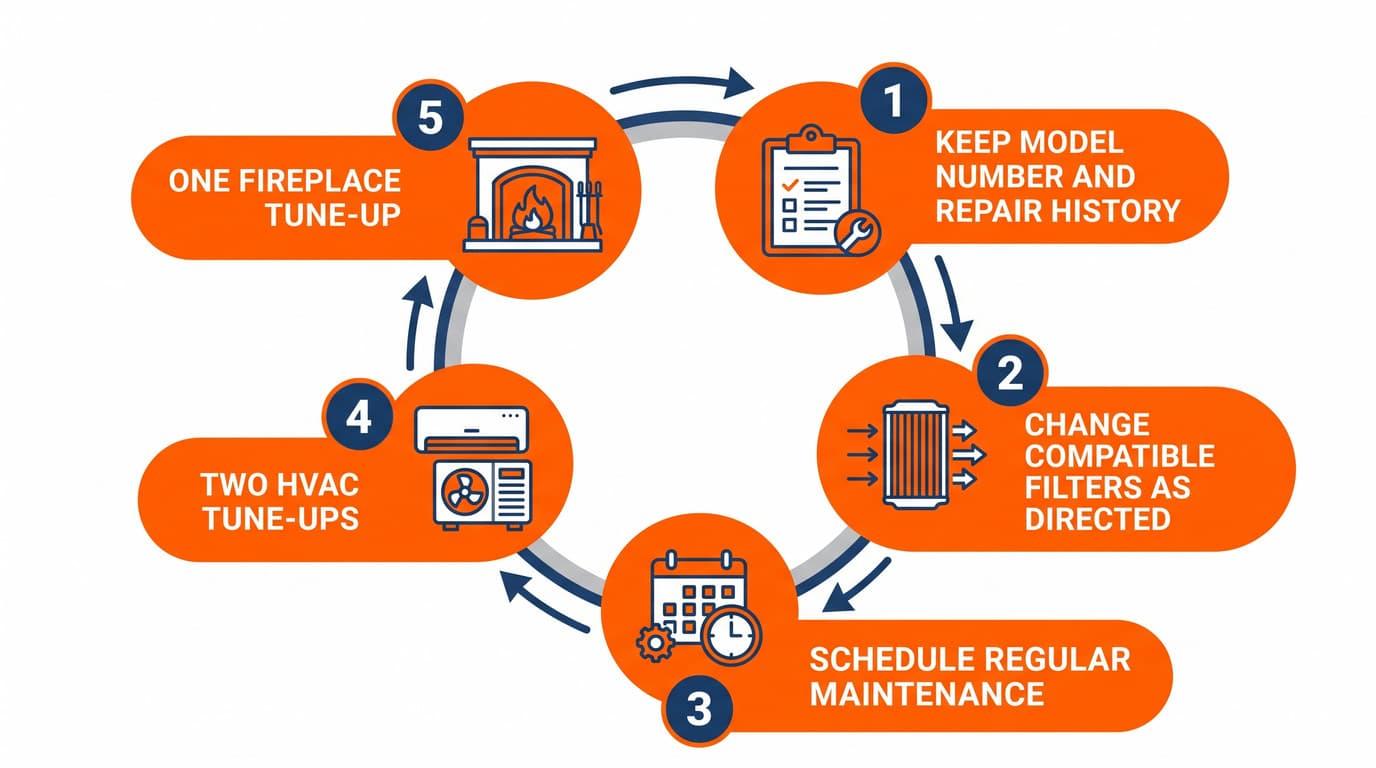
If a technician confirms your older furnace is safe to keep using, you have time to plan. Keep its model number and repair history handy, change compatible filters as directed, and schedule regular maintenance.
A tune-up can help identify developing problems before the coldest day, but cannot guarantee a breakdown-free winter. Tell the HVAC technician about new noises, airflow changes, and warning signs. A fan belt applies only to equipment that uses one; many residential blowers are direct-drive. Ask which worn parts in the old unit or old system actually need attention before approving any work.
Maintenance is easier to track when visits are part of your plan. Our Comfort Care membership includes two HVAC tune-ups and one basic fireplace tune-up each year. Ask our Comfort Solutions team how the current benefits fit your equipment as you plan for a future replacement.
Explore My Maintenance Options
Make Your Furnace Decision Before the Next Cold Snap
Should you replace a 20-year-old furnace? If yours is safe and heating reliably, you may have time to plan. But recurring repairs, cold rooms, or safety concerns are good reasons to compare replacement options before the next Sandy cold snap.
You shouldn’t have to guess whether the next cold morning will bring another breakdown. With our Sandy showroom at 8451 Sandy Parkway and 24/7 emergency availability, Comfort Solutions is close by when you need help. Let’s assess your system and talk through the next step for your home.
Frequently Asked Questions About 20-Year-Old Furnaces
Can I Keep Using a 20-Year-Old Furnace if It Works Fine?
Possibly. If it heats reliably and a qualified professional finds no unresolved safety issues, you can discuss continued use while planning for eventual replacement. Keep up with inspections and watch for new symptoms.
Will a New Furnace Automatically Lower My Gas Bill?
Not necessarily. Natural gas furnaces with higher AFUE ratings use less fuel to produce the same amount of useful heat. However, a dirty filter or leaking ducts can make equipment work harder and consume more energy. Compare weather-adjusted usage and rates to see whether replacement could save you money.
Should I Replace My Air Conditioner at the Same Time?
Not automatically. If the air conditioner is aging too, combining the projects may simplify compatibility and installation planning. A newer, functioning cooling system may not need replacement. Ask whether the air conditioner and furnace share controls or airflow components so your heating and cooling equipment works together.
How Is the Right Furnace Size Determined?
A professional heating-load calculation accounts for insulation, windows, layout, and local temperatures. Choosing by square footage alone can leave you with an oversized or undersized unit.
Can a Cracked Heat Exchanger Be Repaired?
A suspected crack needs professional evaluation. Depending on the equipment and manufacturer requirements, you may need to replace the heat exchanger or the entire furnace. Never operate a furnace a technician has declared unsafe.
Recent News

How Much Does Furnace Repair Cost in Sandy, Utah?
October 22, 2026

Furnace Tune-Up Cost in Sandy, UT: What Homeowners Need to Know
September 28, 2026

How Much Does It Cost to Replace a Furnace in Sandy, Utah: A Homeowner’s Guide
September 23, 2026
How Long Do Furnaces Last for Salt Lake City Residents? A Guide to Warning Signs and Replacement Timing
September 7, 2026
How to Improve Indoor Air Quality During Utah’s Wildfire Season
August 28, 2026
AC Stopped Working in Ogden? Common Causes and What to Do Next
August 24, 2026