Serving The Wasatch Front Area



Back to Blog
AC Maintenance Guide for West Haven Utah Homeowners: Learn How to Keep Your System Running Efficiently
July 17, 2026
West Haven’s long, hot summers put every air conditioning system to the test. Without regular maintenance, even a reliable AC can lose efficiency, struggle to keep up, or break down when you need it most.
So, how do you know if your system is ready for another cooling season?
The best place to start is with a professional maintenance check before peak summer demand arrives.
In this guide, we’ll explain what a professional AC tune-up includes, when to schedule service, and the warning signs that tell you it’s time to have your system inspected before small problems turn into costly repairs.
Key Takeaways
- Most West Haven homes should schedule professional AC maintenance once a year, ideally before peak cooling season begins.
- Dust, heat, and extended summer demand can make filters, coils, and airflow issues develop faster than homeowners expect.
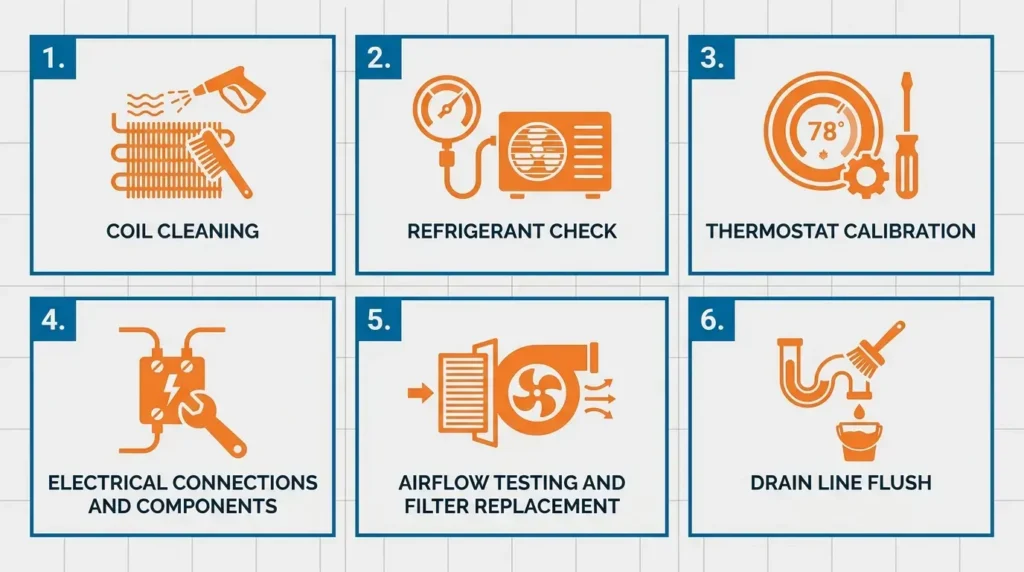
- A professional AC tune-up goes beyond filter replacement and may include coil cleaning, refrigerant checks, thermostat calibration, electrical inspection, airflow testing, and drain line flushing.
- Homeowners can help between tune-ups by checking filters monthly, keeping the outdoor unit clear, and watching for airflow or moisture issues.
- Weak airflow, warm air, strange noises, ice buildup, and rising energy bills are signs your AC may need professional attention before a small issue becomes a larger repair.
What Professional AC Maintenance Actually Covers
Most homeowners assume AC maintenance means swapping out a filter and calling it a day. Professional service goes further than that, and for good reason.
A proper AC tune-up is a full system inspection designed to catch small problems before they turn into expensive repairs. Technicians work through the entire system, not just the parts that are easy to reach.
The Core Tasks Included in a Standard Tune-Up
Here’s what a professional air conditioner inspection typically covers:
- Coil Cleaning: Dirty evaporator and condenser coils force the system to work harder to transfer heat. Cleaning them restores efficiency and reduces strain on the compressor.
- Refrigerant Check: Low refrigerant is one of the most common causes of poor cooling performance. A technician checks levels and inspects for leaks that could quietly worsen over time.
- Thermostat Calibration: If the thermostat is reading temperatures inaccurately, the system will cycle incorrectly. Calibration ensures the equipment responds the way it should.
- Electrical Connections and Components: Loose or corroded connections are a safety and reliability concern. Technicians inspect wiring, capacitors, and contactors as part of a standard visit.
- Airflow Testing and Filter Replacement: Restricted airflow is a leading cause of system stress. Technicians check static pressure, inspect ductwork connections, and replace or inspect the air filter.
- Drain Line Flush: A clogged condensate drain line can cause water damage and humidity problems inside the home. Flushing it is a routine but important step.
A professional tune-up should follow recognized HVAC maintenance standards, including the type of inspection, cleaning, and system checks outlined by ACCA.
Knowing what happens during an AC tune-up can help West Haven homeowners understand why maintenance involves more than replacing the air filter, and most manufacturers require yearly service to keep a manufacturer warranty valid. Skipping maintenance can void your AC warranty.
How West Haven’s Utah Climate Wears Down AC Systems Faster

West Haven’s climate creates unique challenges for residential air conditioning systems. From constant dust exposure to long cooling seasons, local conditions can accelerate wear and increase the importance of routine maintenance.
Dust and Fine Particulates
West Haven is located in a dry, high-desert environment where fine dust and particulates are a constant presence. That dust settles on evaporator and condenser coils faster than it would in more temperate climates, and once coil surfaces are coated with buildup, heat transfer becomes less efficient.
The system then compensates by running longer cycles, which puts steady pressure on the compressor. Regular coil cleaning is not optional here; it’s what keeps that cycle from compounding into a larger mechanical problem.
How Dust Affects Your Air Filter
Clogged air filters follow the same pattern. In dustier conditions, filters reach their capacity faster, restricting airflow and forcing the system to work harder to move air through the home.
At Comfort Solutions, we recommend homeowners in West Haven and across Weber County check and clean their AC filters every 30 days instead of waiting the standard 90, especially during periods of wildfire smoke, pollen, and dust. This simple habit can make a noticeable difference in airflow, efficiency, and overall system performance.
A Season That Runs Long
Temperatures in West Haven can reach the 90s by late spring, and the cooling season often stretches five to six months.
That’s a long time for any mechanical system to run under sustained load. Heat pumps and central AC units in this region accumulate more operating hours per year than systems in milder climates. In Northern Utah, those conditions can also mean high-altitude adjustments are needed for optimal AC performance.
Utah’s low humidity also affects duct integrity and refrigerant performance differently than coastal environments. Dry conditions can accelerate the breakdown of rubber gaskets and air seals in ductwork, and pressure fluctuations tied to temperature swings add wear over time.
Because long cooling cycles can put extra strain on the compressor, understanding how to prevent AC compressor overheating can help homeowners recognize when regular maintenance is no longer enough.
How Often AC Maintenance Should Be Scheduled in West Haven
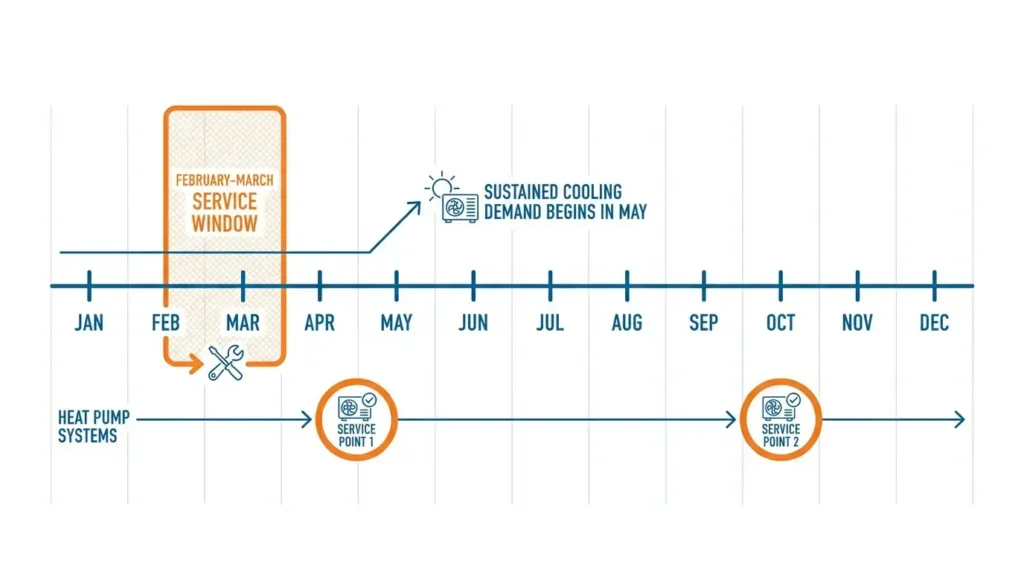
For most West Haven homes, once-a-year professional maintenance is the standard recommendation. Scheduling that AC inspection in late winter or early spring, ideally February through March, gives technicians time to catch any issues before the long cooling season gets underway.
The American Society of Heating, Refrigerating and Air-Conditioning Engineers (ASHRAE) guidelines for HVAC system maintenance support annual servicing as the baseline for residential cooling systems, and that guidance holds up well in Utah’s climate.
Optimal Timing Windows for Utah Homeowners
Late February through March is the practical window for most West Haven homeowners and one of the annual tune-ups to plan before heavy summer use.
The timing works well because the system has been sitting largely idle through winter, and a seasonal tune-up at this point confirms whether everything is functioning correctly before sustained demand begins in May.
Scheduling early also helps you avoid summer demand peaks, when appointment availability tightens. Waiting until your AC is running every day during the summer means any developing problems have already had time to worsen.
Homes That May Need More Frequent Attention
Some households benefit from a mid-season check-in between full tune-ups, and older systems or year-round equipment may need more regular tune ups than the once-a-year baseline. The same logic applies to furnaces, where a mid-season furnace check can catch issues before winter demand peaks.
- Homes with pets, where dander and hair accelerate filter clogging.
- Properties near construction zones or unpaved roads with higher dust exposure.
- Older systems that are working harder to maintain performance.
Heat pump systems operate year-round in both cooling and heating modes, which means they accumulate significantly more run hours than a standard central AC unit. These systems should receive professional HVAC service in West Haven twice annually, once before the cooling season and once before the heating season, to keep wear in check.
Signs Your AC System Needs Professional Attention Now
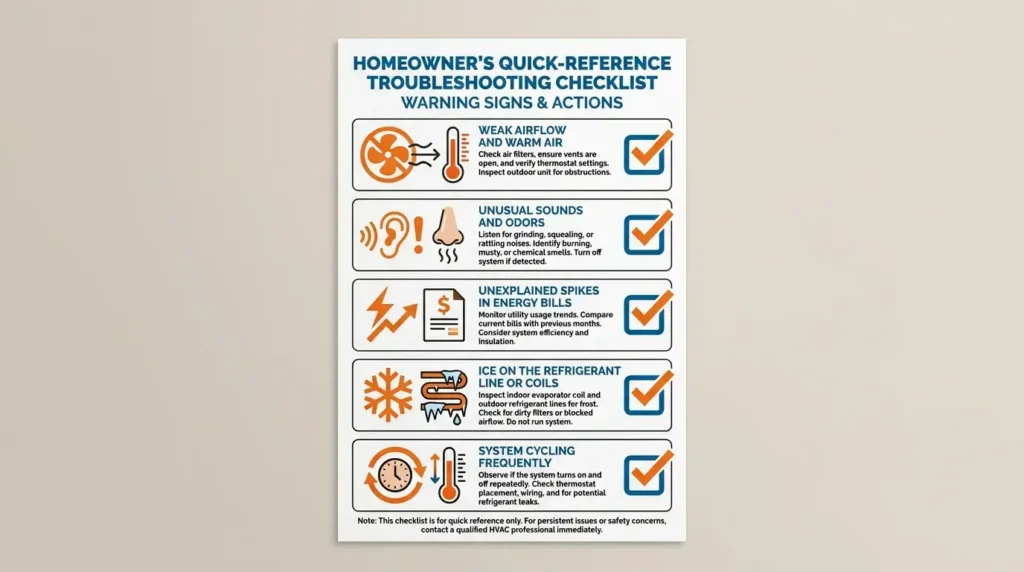
Some AC problems announce themselves loudly. Others develop quietly until the system fails at the worst possible moment. Knowing what to look for makes the difference between a routine service call and an emergency repair.
Performance and Comfort Red Flags
Weak or warm airflow usually means your AC is struggling to move or cool air properly. Start with the filter, but schedule a professional inspection if the issue continues or affects multiple rooms.
Weak Airflow and Warm Air
Warm or noticeably weak airflow coming from the vents is one of the clearest signals that something is wrong. It often points to any of the following:
- A refrigerant issue
- A clogged filter restricting airflow
- A compressor that is starting to fail
Any of these problems will worsen without a professional refrigerant check and full system inspection. If certain rooms feel significantly warmer than others, check out the signs your air ducts need repair or replacement to determine whether your ductwork could be contributing to the problem.
Unusual Sounds and Odors
Grinding, rattling, or squealing sounds during operation indicate mechanical problems that do not resolve on their own. Musty odors suggest mold growth in the drain pan or ductwork. A burning smell points to an electrical issue that needs immediate attention. None of these are symptoms to monitor and wait on. They’re warning signs that should be inspected by a qualified HVAC technician as soon as possible.
System Behavior That Points to Deeper Issues
Some AC issues show up through system behavior before the unit fully breaks down. Higher bills, ice buildup, and repeated performance changes often mean the system is working harder than it should.
Unexplained Spikes in Energy Bills
When an AC system starts overworking due to a maintenance-related problem, energy consumption rises noticeably. A clean, well-maintained system can lead to lower energy bills by up to 30% compared with a neglected one. If your utility bill has increased without a clear reason, the system is likely compensating for reduced efficiency somewhere. This is a common pattern that HVAC maintenance catches before it compounds further.
Ice on the Refrigerant Line or Coils
Ice forming on the refrigerant line, refrigerant lines, or evaporator coils should never be ignored. It usually indicates restricted airflow or a refrigerant problem, and running the system in that condition risks compressor damage.
Ice buildup is usually a sign that something is restricting airflow or affecting refrigerant performance, and understanding the common causes of frozen AC coils can help homeowners see why air conditioning repair should not wait.
What Preventative Maintenance Saves You vs. Emergency Repairs
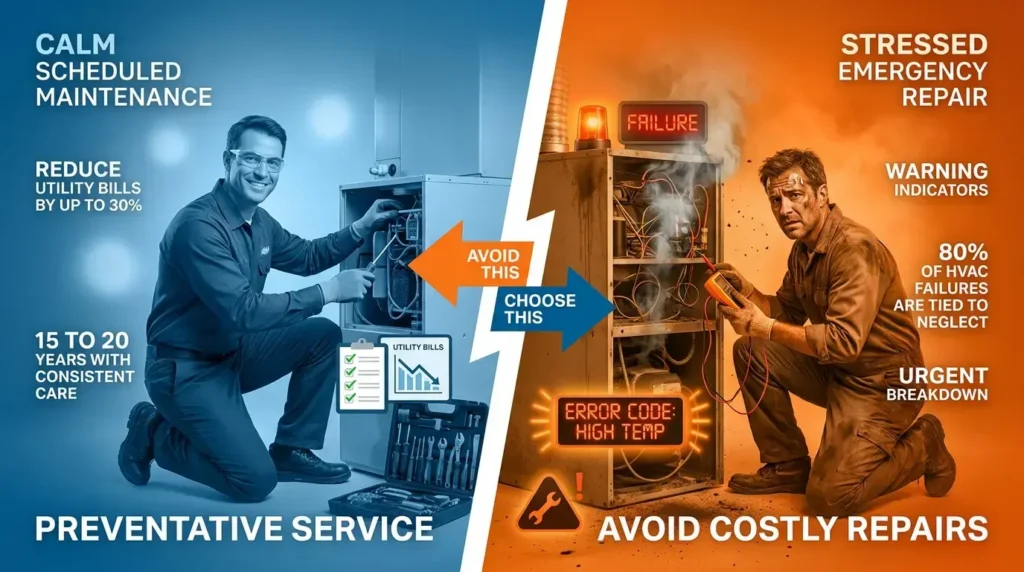
Emergency HVAC calls cost significantly more than scheduled maintenance visits. The difference between routine maintenance and emergency repairs isn’t just about the repair itself.
Emergency calls often happen during peak demand periods, when technician availability is tighter and response times are longer. A problem that could have been caught during a routine AC tune-up becomes an urgent situation with a price tag to match.
Hidden Cost of Lower Efficiency
A neglected system does not just risk breaking down. In Utah, 80% of HVAC failures are tied to neglect. It can lose efficiency with regular use, running longer cycles to reach the same temperature.
That inefficiency can show up on your monthly energy bill before any mechanical failure occurs. By the time something breaks, the system may have already been costing more to operate for weeks or months, while proper upkeep—or a later high-efficiency replacement when needed—can deliver improved efficiency and reduce utility bills by up to 30%.
Protecting Your Long-Term Investment
System lifespan is another part of the financial picture. Most HVAC systems typically last 15 to 20 years with consistent care. A well-maintained AC unit lasts longer, which means deferring the cost of full replacement. Skipping annual maintenance doesn’t save you any money. Instead, it accelerates the path toward a much larger expense.
When replacement eventually makes more sense, a professional assessment can help homeowners decide between further repairs and replacement, while understanding the benefits of AC system upgrades helps compare long-term comfort, efficiency, and repair costs. Until then, the goal of preventive maintenance is to push that decision as far into the future as possible.
The core financial logic is simple. Preventative maintenance creates predictable, manageable costs. Emergency repairs create unpredictable, often much higher, ones. A small, scheduled investment in energy efficiency and system health is simply a more controlled way to manage a major home system.
AC Maintenance Tasks Homeowners Can Do Between Tune-Ups
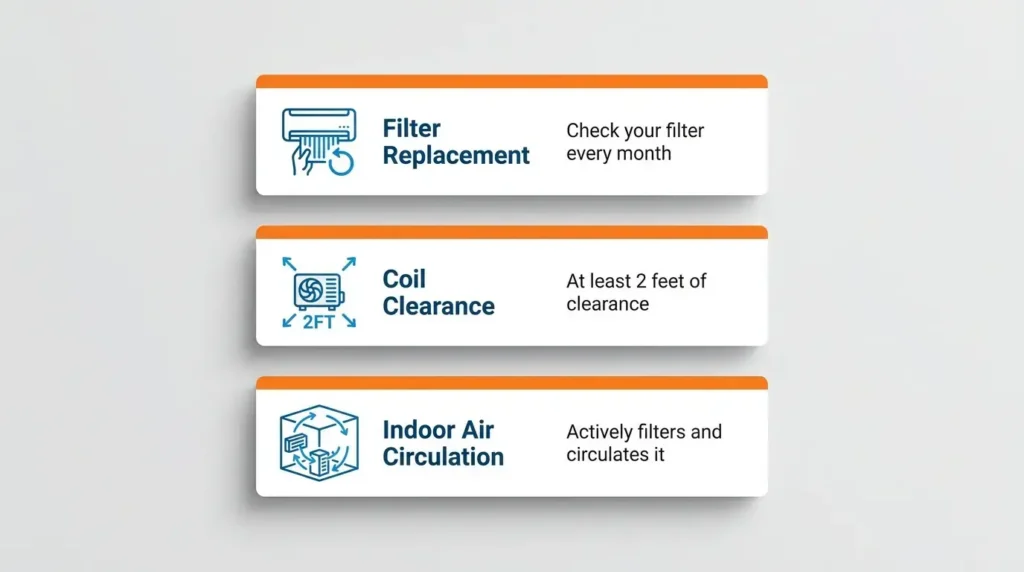
Professional AC maintenance is still important, but a few simple habits can help keep your system in better shape between service visits. For West Haven homeowners, the biggest priorities are keeping airflow clear and reducing dust buildup before it affects performance.
What’s the Importance of Filter Replacement?
Air filters are the first line of defense against dust, debris, and airborne particles entering the system. In West Haven’s dry, dusty environment, filters can fill up faster than general manufacturer guidelines suggest.
Check your filter every month and replace it every one to three months, depending on your system, filter type, and household conditions. Smoke, pollen, and dust in Weber County can shorten how long air filters stay effective. Homes with pets, allergy concerns, or heavier dust exposure may need more frequent replacement.
A clogged filter restricts airflow, which forces the blower motor to work harder to move air through the home. Replacing a low-cost air filter on time is much more affordable than paying for repairs caused by restricted airflow and unnecessary system strain. Choosing the right air conditioning filter for your system type also matters, since not every filter is appropriate for every unit.
The Benefit of Cleaning Air Conditioner Coils
As you use your air conditioner, dust and debris settle on the evaporator and condenser coils. The outdoor condenser unit should have at least 2 feet of clearance for proper airflow and better debris control. Once the buildup becomes significant, heat transfer becomes much less efficient. The system compensates for this by running longer, which puts sustained pressure on the compressor.
Dirty coils are also a leading cause of refrigerant line freezing. When heat cannot transfer properly, temperatures drop unevenly across the coil surface, and ice forms. If mold and air quality are concerns in your home, the evaporator coil and drain pan are the first places to check. Mold develops readily in those areas when moisture accumulates and routine maintenance is neglected.
How AC Maintenance Connects to Indoor Air Quality
A well-maintained central air conditioning system does more than cool the air. It actively filters and circulates it, which has a direct effect on what your household breathes.
EPA indoor air quality guidelines recognize HVAC maintenance as a meaningful factor in residential air quality, and that connection is especially relevant in Utah, where different airborne contaminants are persistent all year round.
When filters are clean and coils are free of buildup, the system cycles air more effectively and manages humidity more consistently. When they’re not, contaminants continue to circulate throughout your home, and it becomes much harder to control indoor moisture levels.
Could your AC be affecting the air your family breathes every day?
Check out our guide on the indoor air quality issues in Utah and the solutions to better understand these challenges, since the regional environment creates specific issues that a neglected ductless mini-split or central AC system will struggle to handle.
Comfort Care Membership: Planned Maintenance Without the Guesswork
Scheduling preventative maintenance every year sounds simple until life gets busy and the appointment never gets made. A maintenance plan removes that friction entirely by building seasonal service into a structured annual schedule and helping homeowners stay on top of documented annual maintenance instead of simply trying to remember to schedule it.
As part of the company’s HVAC services offering, Comfort Solutions’ Comfort Care Membership includes two HVAC tune-ups per year alongside a fireplace tune-up, which is a combination that most maintenance plans don’t offer.
As a member, you’ll also receive priority scheduling, which is essential when booking windows tighten during the busiest months of the cooling season and wait times for standard appointments stretch out.
The plan is designed for homeowners who want consistent, professional attention on their systems without having to remember to call each year.
Why Predictable Costs Appeal to West Haven Homeowners
The financial case for a membership plan comes down to one simple trade-off: a known, budgetable monthly cost versus the unpredictable expense of an emergency repair.
West Haven’s long cooling season means central air conditioning systems accumulate significant run hours every year. Without regular HVAC maintenance, small issues can quietly snowball until they require AC repair in West Haven. A seasonal tune-up helps identify and address those developing problems before they reach that point.
For homeowners who’ve already thought through the cost difference between routine maintenance and emergency repairs, a membership plan is simply the logical structure that makes consistent service automatic.
When Maintenance Is Not Enough and Replacement Makes More Sense
Most air conditioning repairs are straightforward: fix the problem, restore performance, move on. But there comes a point where the numbers no longer favor repairs. In West Haven, AC replacement costs commonly range from $3,800 to $7,500.
For example, a central air conditioning system older than 10 to 15 years that requires frequent service calls is often costing more to keep running than it would to replace. Over time, repair bills start to add up, and older R-22 refrigerant systems are especially expensive to recharge after 2020, while the system’s energy efficiency gradually declines as its components wear out. In those cases, a new system may make more sense if it delivers improved efficiency, long-term energy savings, and possible federal tax credits.
The $5,000 Rule for Air Conditioners
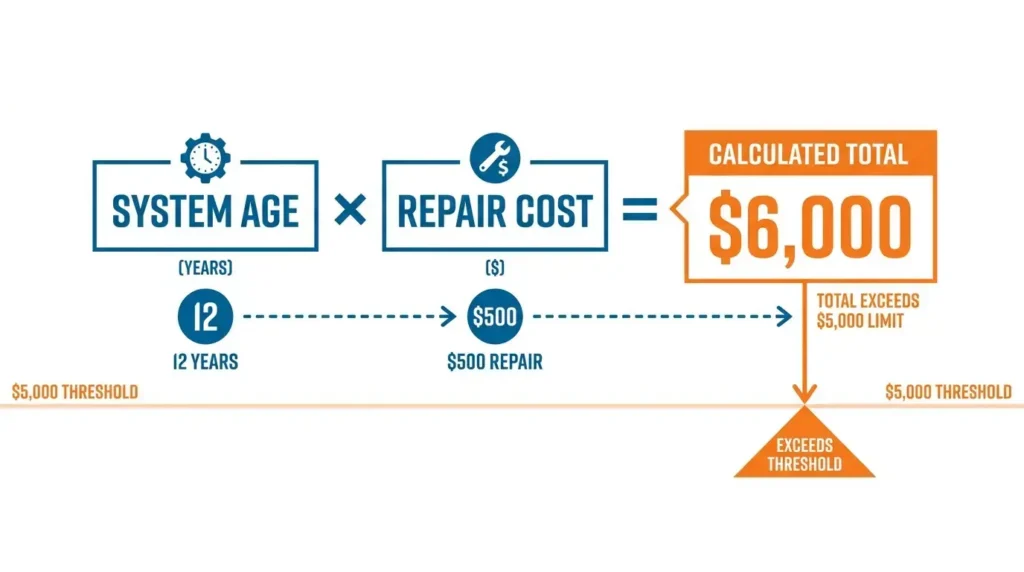
If you’re unsure whether another repair is worth it, the $5,000 rule offers a useful starting point and is most commonly used for units that are already over 10 years old. Multiply your system’s age by the estimated repair cost. If the result exceeds $5,000, replacement is often the better investment.
A 12-year-old system facing a $500 repair lands at $6,000 under this calculation. That does not automatically mean replace, but if the system is older, inefficient, and facing repeated repair costs, it may no longer be worth repairing. The Consumer Reports AC buying guide walks through how to evaluate that decision objectively.
If repairs are becoming more frequent or less cost-effective, understanding the reasons to upgrade your AC system can help homeowners decide when replacement may be the smarter long-term choice.
Keep Your West Haven Home Cool, Efficient, and Ready for the Long Season
West Haven’s long cooling season makes HVAC maintenance a practical necessity, not an optional expense. Proactive service keeps energy efficiency high, helps prevent costly breakdowns, and extends the life of your system through months of sustained demand.
At Comfort Solutions, we’ve spent over two decades helping Utah homeowners stay ahead of problems instead of reacting to them. Our technicians handle a full range of residential HVAC services for West Haven homes, from newer neighborhoods to older rural properties, with experience shaped by Northern Utah conditions.
Early maintenance helps keep your home comfortable before peak summer heat arrives. Schedule your AC maintenance in West Haven today and let our team help keep your system running all season long.
Frequently Asked Questions About AC Maintenance in West Haven
Still wondering what AC maintenance looks like for a West Haven home? These quick answers cover service timing, maintenance costs, DIY tasks, and when to call a technician.
How often should your AC be serviced?
Most homes in West Haven should have professional AC maintenance once a year, ideally before the cooling season, and most manufacturers require yearly service to keep the warranty valid. Homes with pets, heavy dust exposure, or heat pumps often benefit from two tune-ups annually to maintain peak performance.
What is the $5,000 rule for HVAC?
Multiply your AC’s age by the estimated repair cost. If the total exceeds $5,000, replacing the system is often the better long-term investment, especially if repairs are becoming more frequent or energy efficiency is declining.
What is the 3-minute rule for AC?
After turning your AC off, wait at least three minutes before restarting it. This allows refrigerant pressures to stabilize, reducing unnecessary strain on the compressor and helping protect one of the system’s most expensive components.
How much does AC maintenance cost?
The cost of AC maintenance depends on your system type, its condition, and the services included during the visit. Replacement projects cost more because the total usually includes both the equipment and installation, not just the unit itself. Routine tune-ups are typically far more affordable than emergency repairs caused by neglected maintenance.
Can I perform AC maintenance myself?
Homeowners can handle DIY maintenance between professional tune-ups by replacing filters, keeping the outdoor unit free of debris, and checking vents for airflow. However, refrigerant checks, electrical testing, and coil cleaning should always be handled by a qualified HVAC technician.
What happens if you skip annual AC maintenance?
Skipping annual maintenance can reduce efficiency, increase energy bills, shorten the life of your cooling system, and make unexpected breakdowns more likely. Small issues often go unnoticed until they develop into much more expensive repairs, and missed service may also void manufacturer warranty coverage.
Recent News

Furnace Tune-Up Cost in Sandy, UT: What Homeowners Need to Know
September 28, 2026

How Much Does It Cost to Replace a Furnace in Sandy, Utah: A Homeowner’s Guide
September 23, 2026

How Long Do Furnaces Last for Salt Lake City Residents? A Guide to Warning Signs and Replacement Timing
September 7, 2026

How to Improve Indoor Air Quality During Utah’s Wildfire Season
August 28, 2026
AC Stopped Working in Ogden? Common Causes and What to Do Next
August 24, 2026

HVAC Maintenance Services in West Haven, Utah: Fall Checklist for Homeowners
August 19, 2026